
How to maintain or gain weight in a healthy way
Advice on how to prevent further weight loss and promote healthy weight gain

Written by Cheyenne
We take a holistic approach towards health here at Second Nature and recommend a variety of lifestyle changes to benefit your health and wellbeing.
By following our recommendations, you'll experience improvements in your sleep quality, daily energy levels, and blood sugar control. It's also possible you'll notice a reduction in your weight.
This is fine if you have weight to lose, however, if you're already within the healthy weight range, it's important not to lose too much weight as this can impact your muscle mass. We need to try and retain as much muscle as possible as we age to promote better mobility, immunity, and quality of life.
The healthy weight range is defined as a BMI between 18.5 - 24.9kg/m2. A BMI below 18.5kg/m2 is classified as being underweight. There are health risks associated with being underweight. So, if your weight is below the healthy weight range, it's important to increase your protein and energy intake to prevent further weight loss and to help you regain muscle mass.
If your BMI falls below 21kg/m2 during the programme, your health coach will reach out to discuss some strategies to help you increase your weight. It's important to work together with your health coach to make sure these strategies are tailored to your individual goals, dietary preferences, and lifestyle.
If your BMI is below 18.5kg/m2, we recommend discussing this with your GP or healthcare provider as they'll be able to provide some additional guidance and support. If you'd like more information on BMI, this NHS webpage is a good place to start.
The following guide outlines some useful strategies to help you increase your overall energy and protein intake to prevent further weight loss. These recommendations can also help you to regain weight in a healthy way, while continuing to make progress towards your individual health goals.
Protein 🍳
Protein is needed to help your body grow, maintain, and repair itself. It's what helps you to maintain and build muscle mass and stay strong, while supporting your overall health.
Maintaining muscle strength, mass, and function is important to aid increased mobility and independence as we age. This will also help to maintain our bone strength and reduce the likelihood of any falls or bone breaks.
Therefore, it's important to include a good source of protein with each of your main meals. We recommend aiming for at least 1⁄4 of your plate to be protein at every meal. If you're including this amount of protein and still losing weight, we'd recommend increasing the protein portion of your meals.
Another useful tool is to use your hand to guide your portions - we recommend aiming for a portion of fish the size of your open hand or a portion of tofu, eggs, or meat (such as beef, chicken, lamb, or pork) the size of your palm.
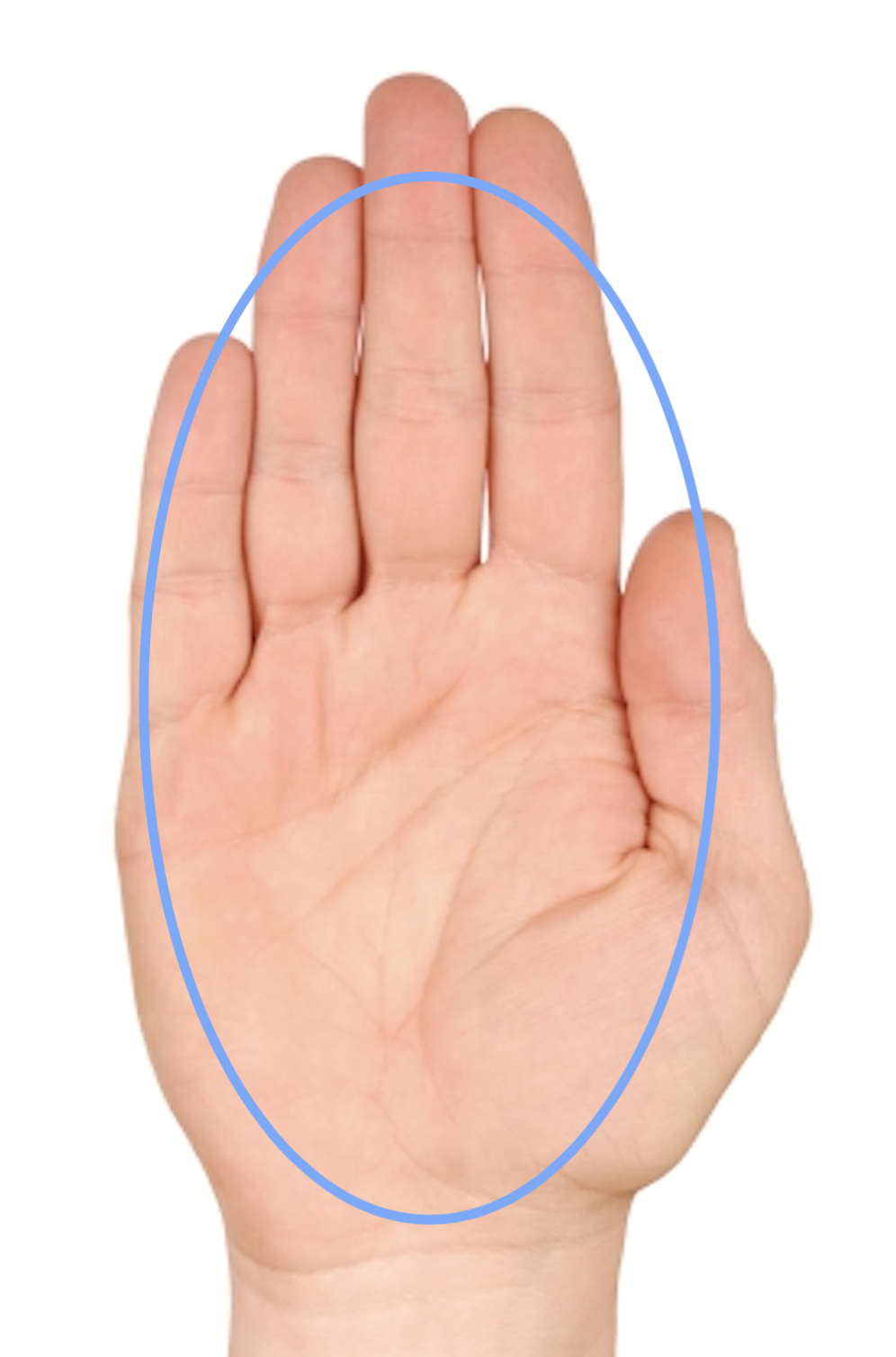
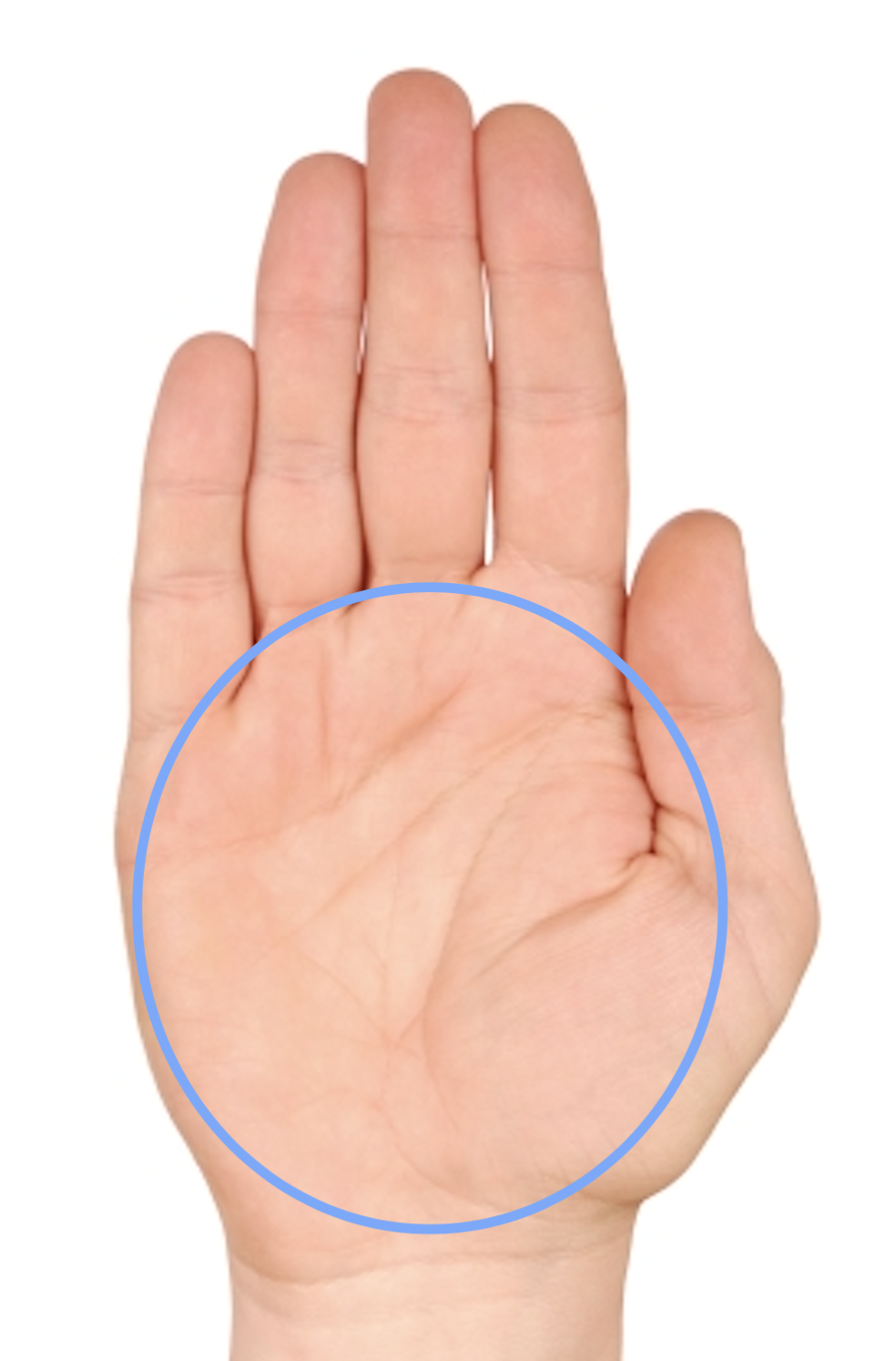
Examples of high protein foods include:
🌱 suitable for a vegetarian diet
🌱🌱 suitable for a vegan diet
Meat (such as beef, pork, or lamb)
Poultry (such as chicken, turkey, or pheasant)
Fish and seafood (such as salmon, tuna, mackerel, or cod)
Tinned fish (such as sardines, tuna, or anchovies)
Dairy products (such as milk, yoghurt, or cheese) 🌱
Eggs 🌱
Soya products (such as tempeh, tofu, soy milk, or soy yoghurt)🌱🌱
Nuts and seeds 🌱🌱
Nut butters (such as peanut butter, almond butter, or macadamia butter). Note: look for one with no added sugars 🌱🌱
Lentils and legumes (such as chickpeas, cannellini beans, kidney beans, or black beans). Note: 100g lentils or legumes = 1 carbohydrate serving 🌱 🌱
Healthy fats 🥑
We recommend including at least one serving of healthy fats with each of your main meals. These fats have a range of benefits for our health (including for our heart and brain health) and will also help to increase your overall energy intake.
One serving of healthy fats would be:
1 tbsp olive oil
1-2 tbsp natural nut butter
2 tbsp olives
1/4 of a medium avocado
30g (2 tbsp) nuts or seeds
If you're including one serving of healthy fats with your meals and still finding it difficult to maintain or increase your weight, we'd recommend increasing this to at least two servings with each of your main meals.
Some examples of how you could include healthy fats with your meals could be:
Adding a drizzle of olive oil on top of vegetables and as a salad dressing
Cooking with a generous drizzle of olive oil
Adding nuts, seeds, olives, or avocado to meals
Carbohydrates 🍞
We recommend including a source of complex carbohydrates with meals. Complex carbohydrates contain higher amounts of dietary fibre when compared to refined carbohydrates, and have a variety of benefits for our health. Including a source of complex carbohydrates with your meals will also increase your overall energy intake, helping you to either maintain or increase your weight (if needed).
However, to help you manage your blood sugar levels, we recommend being mindful of your overall carbohydrate intake and aiming to keep this to approx. 1⁄4 of your plate at each meal.
Some examples of complex carbohydrates include:
Rolled oats
Brown rice
Quinoa
Wholegrain pasta
Wholegrain bread, rolls or wraps
Wholegrain crispbread
Potatoes and sweet potatoes
Yam, cassava and plantain
Lentils and legumes
If you'd like some help calculating carbohydrate servings, please reach out to your health coach. We also have an article on how to calculate carbohydrate servings, which you might find helpful.
Balanced Plate Model 🍽
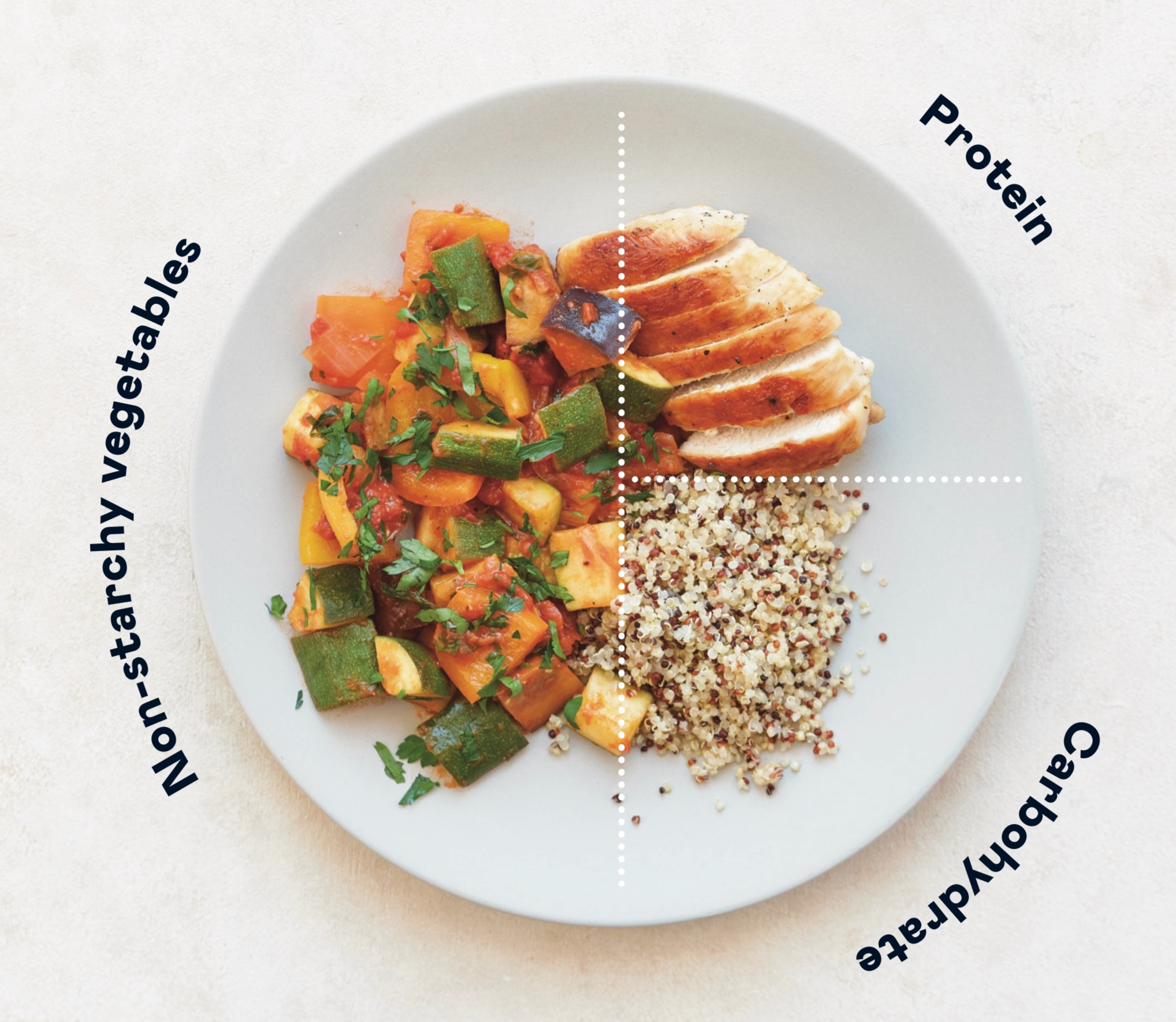
As a reminder, a good way to balance your meals is to use the Balanced Plate Model. Ideally, your plate will include a source of protein (1/4 of your plate), some complex carbohydrates (1⁄4 of your plate), and plenty of non-starchy vegetables (½ of your plate).
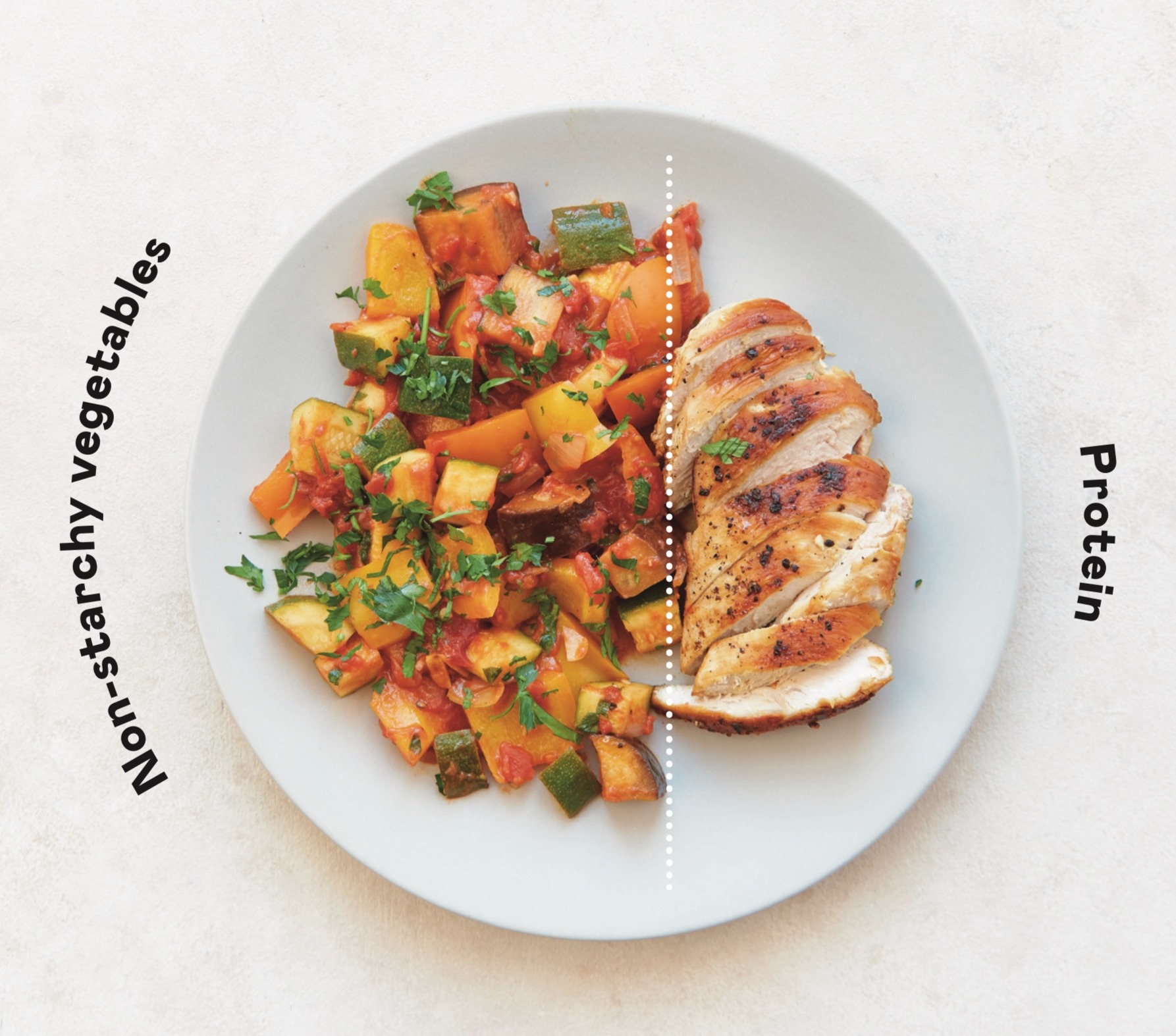
If you’re not including a serving of complex carbohydrates, aim to make 2⁄3 of your plate non-starchy vegetables, and increase the protein portion to 1⁄3 of your plate.
Remember to include at least one serving of healthy fats with your meals – whether as part of your protein (for instance, salmon fillets already include healthy fats), in the preparation (cooking with olive oil or using olive oil as a salad dressing), or elsewhere (such as adding in some avocado, olives, nuts or seeds).
Extra snacks 🧀
If you find you're still losing weight while following the above recommendations, it might be helpful to include high protein snacks between meals.
Some examples of nutritious, high protein snacks include:
Plain, full-fat Greek or natural yoghurt (you might like to add some fresh or frozen fruit, cinnamon, nutmeg, coconut flakes, or crushed nuts for flavour)
A handful of nuts or seeds
Apple slices with natural nut butter (such as peanut butter, macadamia butter, or almond butter)
Plain cottage cheese with sliced fruit (such as a peach or nectarine)
Roasted chickpeas
Tinned tuna
Boiled eggs
Milk-based smoothie
Glass of milk
Wholegrain crispbread with a high protein topping (such as cheese, tinned tuna, or hard-boiled eggs)
A portion of our savoury slice, savoury muffins, mini omelettes, or sweetcorn fritters. These recipes can be prepared in advance and kept in the fridge or freezer for a quick and easy snack option
A portion of our frozen yoghurt bark
A portion of our banana bread with Greek yoghurt and crushed walnuts
Please reach out to your health coach if you'd like to discuss additional high protein snack options.
Additional nutrition tips 🍴
Prioritise the protein portion of your meal first - try to eat this before filling up on carbohydrates
Fortify meals with high protein, high energy foods where possible (refer to below table for some ideas)
Aim to drink liquids away from meal times. Liquids can contribute to feelings of fullness and drinking them close to mealtimes may have a negative effect on your food intake
Enjoy meals with friends and family where possible. Eating socially can often help us to increase our intake
Batch cook high protein meals in advance to keep in the fridge or freezer for days when you might not feel like cooking
Make sure you keep high protein foods and snacks on hand. Packets of nuts, seeds or roasted chickpeas can be a great option to keep in your handbag, car, or backpack if you're out and about for a few hours
Choose full-cream milk instead of the skimmed or semi-skimmed varieties. Fortified soy milk and lactose-free milks are also good options. While plant-based milk alternatives such as unsweetened coconut, oat, almond, and rice milk can be used, they do have a low protein content. As such, we recommend including an additional source of protein with your meals if using these milks
Choose full-fat dairy products, such as cheese and yoghurt, instead of the low-fat varieties
Increase the amount of milk you add to your tea and coffee. Similarly, you might like to order milk based drinks at cafes (for example, choosing a latte over black coffee)
Try to include small amounts of activity throughout the day (such as cycling, light resistance workouts, or gardening). This can stimulate hunger and help you to eat a larger amount at meal times. Resistance exercise can also help to improve muscle strength, mass, and function.
How to fortify meals 🍲
Meal | Adaptations | Recipe ideas |
Breakfast | ||
Oats, porridge or cereal |
|
|
Wholegrain or sourdough toast |
|
|
Fruit and yoghurt |
|
|
Eggs |
|
|
Other |
|
|
Lunch | ||
Sandwiches and crispbread |
|
|
Salads |
|
|
Soup |
|
|
Other |
| |
Dinner | ||
Meat and veg dishes |
|
|
Stir fries, curries and stews |
|
|
Pasta dishes |
|
|
Please reach out to your health coach if you'd like to discuss additional meal options or if you'd like help adapting recipes to enhance the protein and energy content.
Enriched milk 🥛
To increase the protein and energy content of milk, you can make 'enriched milk' using full-cream milk powder. This can be used in place of milk in drinks, porridge, recipes, and baked goods (this will increase the protein content by approx. 5.0g per 250ml serve).
Ingredients:
80g full-cream milk powder
1L full-cream milk
Method:
Pour milk into a jug
Add milk powder and stir with a whisk until blended
Store in fridge and use in place of milk
Resistance exercise 💪
To help you maintain and build muscle mass, it's also important to include resistance exercise as a regular part of your weekly routine.
Resistance exercise, also known as strength training, is any form of movement where our bodies move against resistance. Exercises such as wall push-ups, squats, and lunges use our own body weight to work our muscles. These kind of exercises are a great place to start if you haven't tried resistance exercise before. Our Second Nature workouts include a variety of these exercises and cater to different levels, so are great for beginners.
Resistance exercise can also include activities such as weight training, using exercise/resistance bands, cycling uphill, swimming and running sprints, squash, tennis, and pilates. It can also include household tasks such as gardening, scrubbing floors, mowing lawns, moving furniture, and lifting boxes.
These activities have numerous benefits for our health, especially in helping us to maintain our muscle strength and prevent muscle loss as we age. They also have an important role in improving our bone strength and preventing or delaying conditions such as osteoporosis and bone breaks. Another added benefit of resistance exercise is that it can help us to improve our insulin sensitivity and manage our blood sugar levels.
If you'd like to discuss some strategies to help you include resistance exercise in your weekly routine, please reach out to your health coach.
Summary ✏️
The healthy weight range is defined as a BMI between 18.5 - 24.9kg/m2. If your BMI is below the healthy weight range, it's important to increase your protein and energy intake to prevent further weight loss and help you regain muscle mass.
Protein is an important nutrient to help your body maintain and build muscle mass and stay strong. It's, therefore, important to include a good source of protein with each of your main meals and snacks.
To help you increase your overall energy intake, we also recommend including at least one serving of healthy fats with each of your main meals
Including resistance exercise as a regular part of your weekly routine is important to maintain muscle strength and prevent muscle loss as we age
Written by Stacey Beech, Registered Dietitian (RD) and health coach at Second Nature.